Why Estuaries Matter
Why Estuaries Matter
Participation in SABP is open to anyone. Stakeholders currently participating in SABP activities represent a wide range of environmental, recreational and economic interests. Stakeholders come from both the area around the bay and the larger region of the San Antonio and Guadalupe River watersheds, which provide important fresh water inflows to the estuary. SABP’s efforts to protect, restore and enhance the San Antonio Bay/Guadalupe Estuary System reflect this watershed approach.
If you’re from the Coastal Bend, you already understand estuaries in a practical way. You’ve fished them, worked on them, relaxed on them, or depended on them without giving it much thought. If you are not from the area but simply interested in the area recreationally, or have visited, you likely recognize the beauty in the flora and fauna and the communities that surround this wonderful Texas Mid-Coast region. Estuaries aren’t abstract science here. They are part of how this region functions.
An estuary is where freshwater from rivers meets saltwater from the Gulf. That mixing creates one of the most productive natural systems on Earth. Along the Texas coast there are seven major estuaries, and the San Antonio Bay–Guadalupe Estuary System is one of the most important.
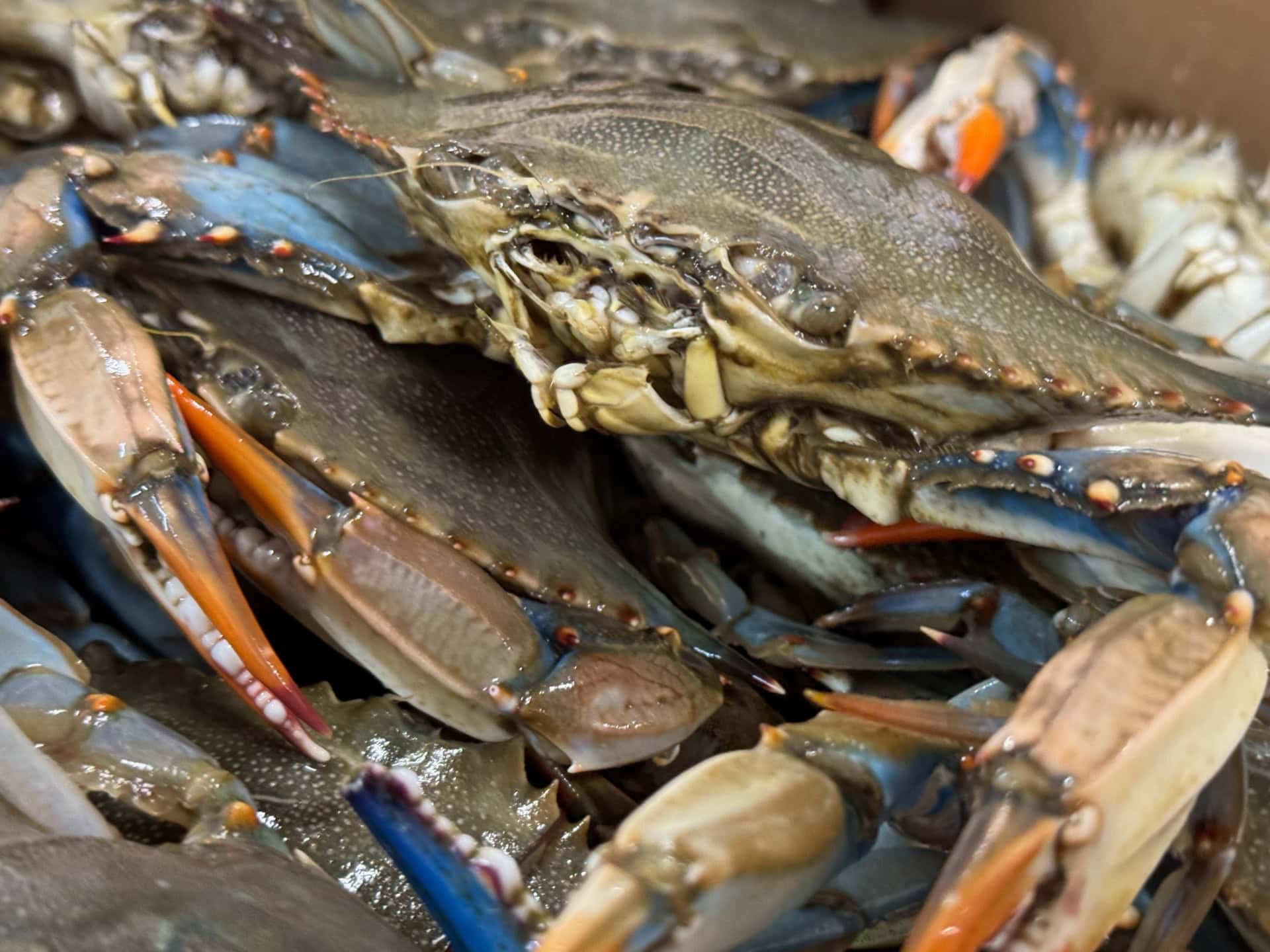
The San Antonio Bay System spans nearly 10,000 square miles and is fed by the San Antonio and Guadalupe Rivers. It includes major waterways such as Mesquite, Hynes, San Antonio, Guadalupe, and Espiritu Santo bays. Freshwater inflows from both rivers control salinity, deliver nutrients, and support wetlands that keep the system in balance. Along the Texas Gulf Coast, roughly 90–95 percent of commercially and recreationally important fish and shellfish species rely on estuaries during some stage of their life cycle. Species such as oysters, shrimp, blue crabs, redfish, flounder, black drum, and spotted seatrout depend on these estuarine nursery habitats for early growth and survival.
This bay supports jobs, local businesses, and a way of life that goes back generations. Commercial fisheries in the San Antonio Bay region generates millions in dockside value each year, supporting shrimpers, crabbers, oyster fishers, and the many working-waterfront businesses tied to them.
Healthy estuaries also protect people. Wetlands reduce erosion, absorb storm surge, and filter pollutants from the water before they reach open bays and the Gulf. In a region exposed to hurricanes, flooding, and rising seas, natural protection matters.
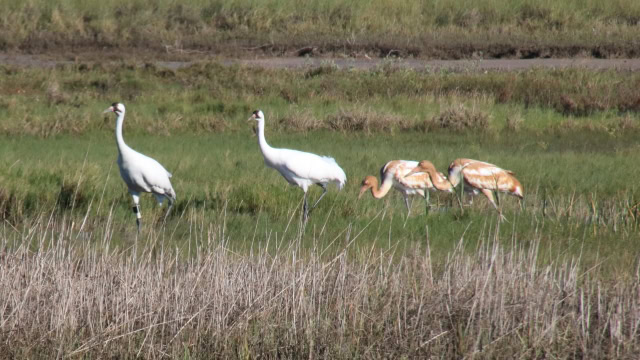
The San Antonio Bay System is globally significant. It is home to the Aransas-Wood Buffalo flock of endangered Whooping Crane and supports Kemp’s Ridley and Green Sea Turtles, colonial waterbirds, and hundreds of migratory species. More than 600 species of birds have been recorded across the system.
Recreation here has long gone hand in hand with conservation. Decades ago, anglers in this region helped pioneer redfish conservation practices that reshaped fisheries management well beyond the Texas coast. Those efforts proved that protecting fish populations strengthens fisheries and local economies. That same ethic carries through today. The San Antonio Bay Complex is also one of the most important wintering areas in North America for redhead ducks due to its extensive seagrass beds and shallow feeding areas. Waterfowl hunting and birding both depend on the health of these habitats.
Pressure on the system is increasing. The 2023 Ecosystem Health Report Card rated San Antonio Bay as vulnerable. Wetland loss, sea level rise, reduced freshwater inflows, and increasing salinity are warning signs that deserve attention.
Water quality and water quantity are tightly linked. Nutrients like nitrogen and phosphorus enter the bay from wastewater, septic systems, fertilizer runoff, and stormwater. At the same time, drought, population growth, and growing upstream demand for water are intensifying competition for limited freshwater supplies. Less freshwater downstream means higher salinity and increased stress on oysters, crabs, and wetlands.
SABP’s work focuses on hands-on solutions including shoreline cleanups, abandoned crab trap removal, wildlife rescue through the Mid-Coast Sea Turtle Rescue Program, and marine mammal stranding partnerships. These efforts are powered entirely by volunteers.
Education is critical to long-term protection. Through partnerships like Texas Floating Classroom, SABP helps students throughout the watershed experience the bay firsthand. When people care about something, they are far more likely to protect it.
Nothing about this place is permanent unless we choose to protect it. The San Antonio Bay System has supported generations before us. With thoughtful care and strong partnerships, it can continue to do so for generations to come.
Ashley Reese, SABP Board Member